


Weekend Patio Rescue: Shade, Windbreaks and Rain Plans
A patio can be the best part of the house right up until the weather decides otherwise. Too much afternoon sun can turn it into an oven, a change in wind direction can send everything across the yard, and sideways rain has an impressive ability to find the one spot you were hoping would stay dry.
The good news is that improving a patio doesn’t always mean enclosing the whole area or starting a major building project. Sometimes it’s simply a matter of working out where the problem is coming from and using the right material in the right place.
Too much sun? Let some air through
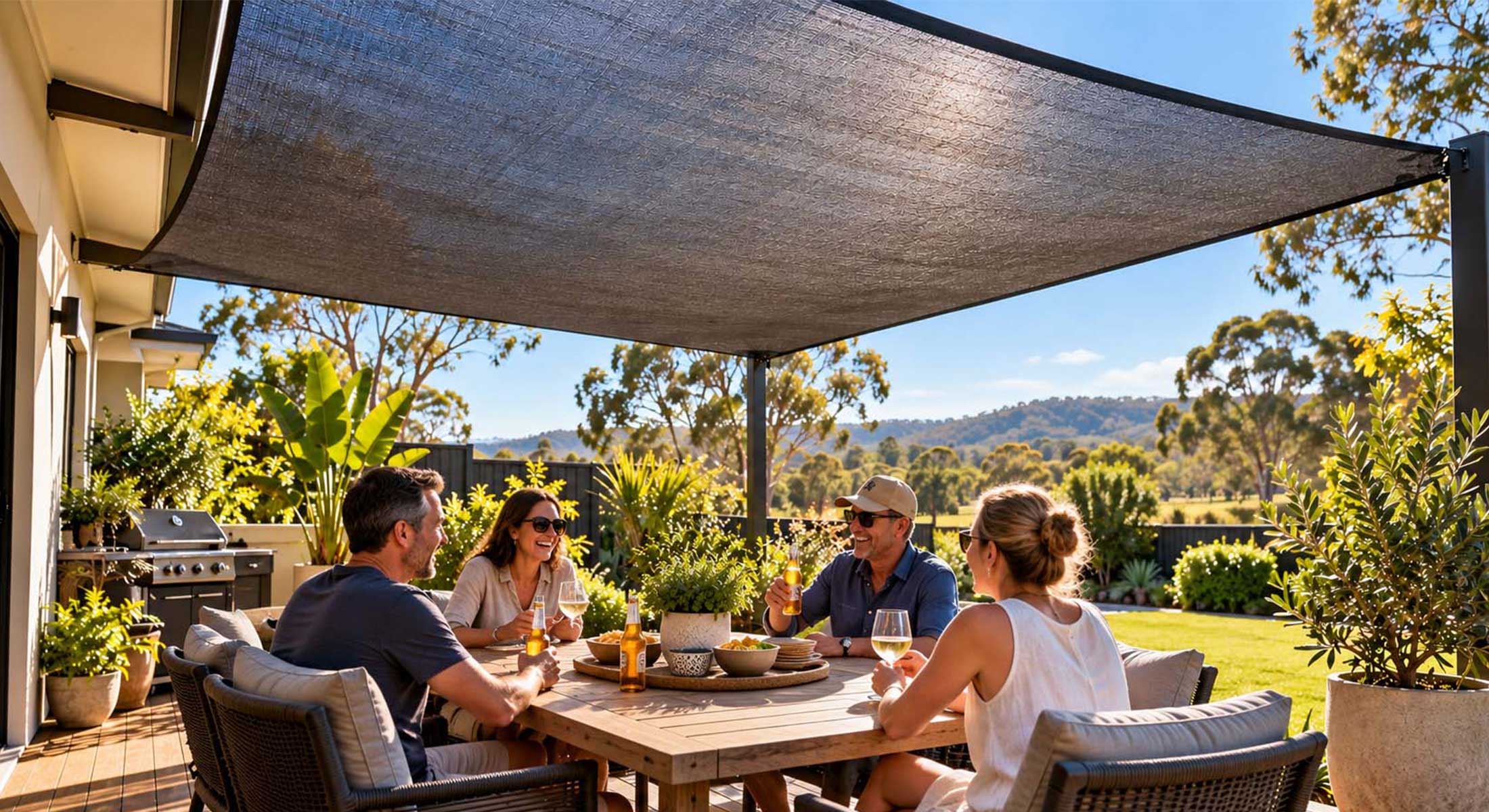
If shade is the main problem, mesh or shade cloth is often a better option than completely covering the area with a solid material. Mesh reduces direct sun while still allowing air to move through, which can make an outdoor space feel noticeably more comfortable without turning it into a dark enclosed room.
Discount Tarps’ custom-made 250gsm mesh, for example, uses an 80% mesh fabric and is specifically suited to home and garden shade applications.
This type of setup can work particularly well over patios, pergolas and outdoor sitting areas where you want relief from the sun but still want the space to feel open. It can also be useful as a side screen where some airflow is desirable.
When the weather comes in sideways
Sun is usually fairly predictable. Wind-driven rain has a habit of being less cooperative.
If one side of your patio consistently cops the weather, adding a side screen can make a big difference. PVC is useful here because it provides a waterproof barrier and can be made to suit a particular opening or section. DT’s heavy-duty PVC material is designed to be wind and waterproof, making it suitable for applications where a solid weather barrier is needed.
Clear PVC is another option where you want weather protection without losing the view or natural light. DT’s clear PVC tarps are commonly used for pergola covers, café-style blinds and side panels because they allow light through while helping keep rain out.
The important thing is not to turn the entire patio into Fort Knox unless that is genuinely what the space needs. Often, protecting the side that cops the prevailing wind or rain is enough to make the area far more usable.
Canvas has its place too
Canvas offers a different feel again. It is heavier, breathable and generally sits more solidly than lightweight synthetic materials, which can make it a good option where you want shade or protection without the constant snapping and flapping that lighter covers can produce in gusty conditions. DT also lists canvas among its materials for shade, canopies and general covers.
That extra weight can make canvas feel more settled in an outdoor living area, particularly where the cover is intended to stay in place for longer periods. It also has a softer, less industrial appearance than PVC, which may suit a residential patio better depending on the look you are after.
Like any material, though, it comes with trade-offs. Canvas is heavier to handle and needs to be stored dry if it is being removed between uses, so it is worth thinking about how permanent your setup will be before choosing it.
Match the material to the problem
One of the easiest mistakes with outdoor covers is assuming there is one material that does everything best. There isn’t.
If the main issue is harsh sun, mesh or shade cloth may be the better fit because it creates shade without completely blocking airflow. If you are trying to stop wind-driven rain, PVC gives you a more complete barrier. If you want a heavier, quieter and more breathable cover, canvas deserves a look.
In some patios, the best solution may even be a combination. A mesh section overhead can provide shade, while a PVC panel on the weather-facing side can deal with rain. The goal isn’t necessarily to cover every square metre — it’s to fix the parts of the patio that are stopping you from using it comfortably.
A better patio without rebuilding it
A bit of planning can turn an outdoor area from “great when the weather behaves” into somewhere you can actually use more often.
Before buying anything, spend a few days paying attention to where the afternoon sun comes from, which direction the wind usually hits and where rain tends to blow in. Once you know what problem you are solving, choosing the right material becomes much easier.
And if you can enjoy the patio through an afternoon shower without having to grab the cushions and sprint inside, that probably counts as a successful renovation.
Discount Tarps stocks mesh, PVC and canvas options in standard sizes, along with custom-made tarps and covers for jobs where an off-the-shelf size won’t quite do the trick.
