



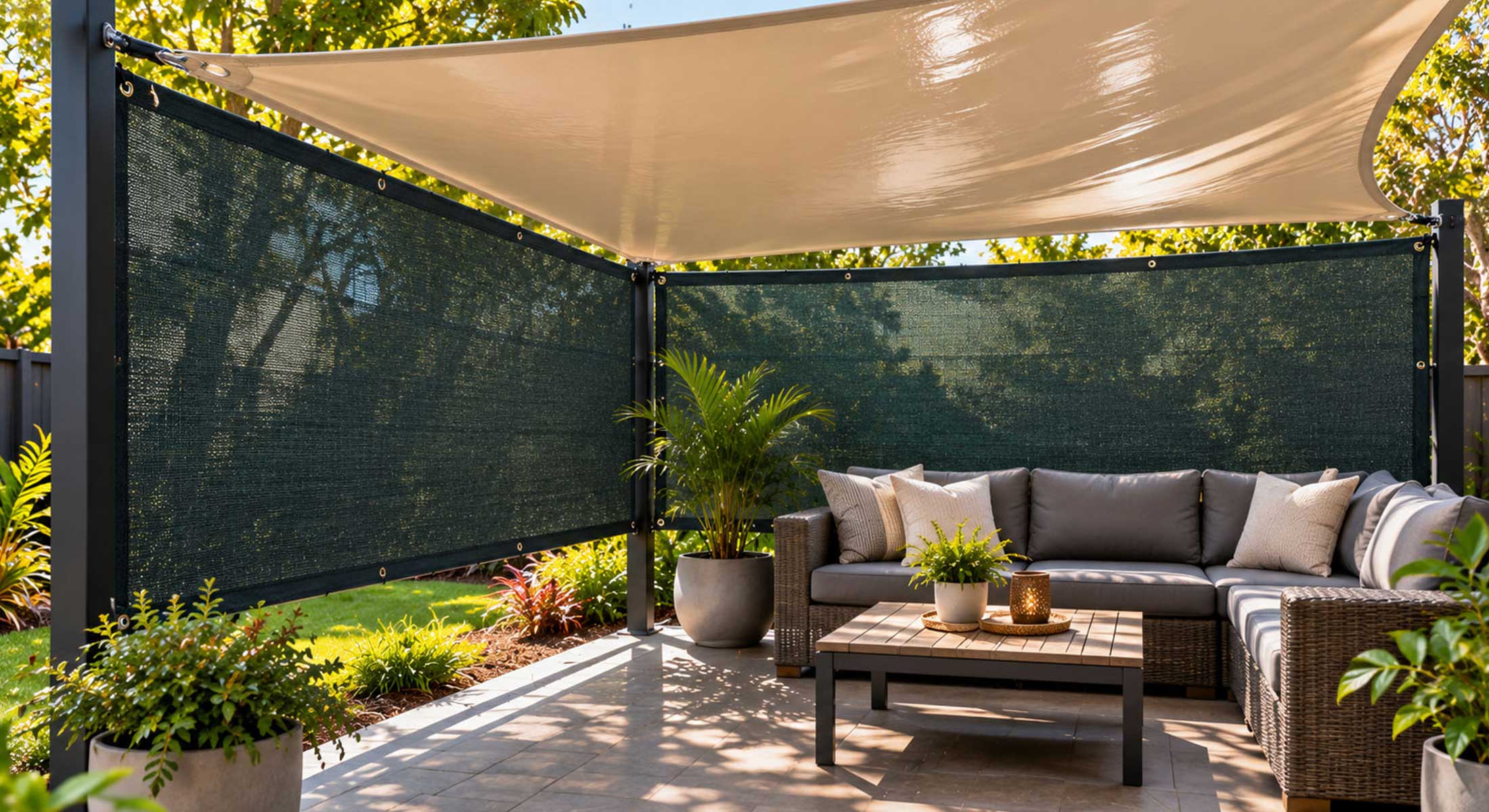
Creating an Outdoor Entertaining Area You Can Use Year-Round
Australians love spending time outdoors, whether it’s a weekend barbecue, a relaxed afternoon with friends or a quiet morning coffee on the patio. But while our climate makes outdoor living appealing, it doesn’t always make it comfortable. A scorching summer afternoon, an unexpected shower or a chilly winter breeze can quickly send everyone back inside.
The good news is that creating an outdoor entertaining area you can enjoy throughout the year doesn’t necessarily require an expensive renovation. With a bit of planning and some practical improvements, even a modest patio, deck or backyard space can become far more comfortable and versatile.
The key is to think beyond furniture and decoration. Shade, shelter, airflow and protection from the weather are what really determine how often an outdoor space gets used.
Start by Understanding Your Outdoor Space
Before making any changes, spend some time observing how your outdoor area behaves throughout the day and across different seasons.
A patio that feels comfortable on a summer morning might be exposed to intense afternoon sun. A deck that enjoys a cooling breeze during warmer months could become unpleasantly windy in winter. Even a covered entertaining area can be difficult to use when rain blows in from the sides.
Pay particular attention to the direction of the sun, prevailing winds and where rainwater travels during heavy showers. These factors can help determine whether your space needs additional overhead shade, a windbreak, better drainage or a combination of improvements.
It’s also worth considering how you intend to use the area. A space designed primarily for outdoor dining may have different requirements from somewhere used for relaxing, children’s activities or entertaining larger groups.
Getting these basics right can save considerable time and money by ensuring you’re addressing the things that actually limit how often the space gets used.
Make Shade a Priority for Summer
In many parts of Australia, direct sunlight is one of the biggest obstacles to comfortable outdoor entertaining. Even when the air temperature is pleasant, sitting in full sun can make a patio or deck feel uncomfortably hot.
Permanent roofing is one solution, but it’s not always necessary or practical. Depending on the layout of your outdoor space, shade sails, retractable awnings or suitable fabric shade structures may provide the protection you need.
Shade cloth is a particularly versatile material for suitable outdoor structures. It allows air to pass through while reducing direct sunlight, making it useful for creating shaded areas without completely enclosing the space. Different shade cloth products provide different levels of UV protection, so it’s important to select a material suited to the intended application.
For smaller areas, a removable shade panel may be a practical alternative to a permanent installation. This can be useful where seasonal changes affect how much sunlight you want entering the space.
Keep in mind that shade moves throughout the day. A structure positioned to block the midday sun may do little to protect people from the lower afternoon sun, particularly on west-facing patios. Sometimes a combination of overhead shade and a vertical screen provides a better result than either option on its own.
Don’t Let a Little Rain Ruin the Plans
Shade is important, but if you want to use your outdoor area throughout the year, rain protection deserves just as much attention.
A covered patio or pergola can make outdoor entertaining far more practical during wet weather. However, the effectiveness of any covering depends on the material, its installation and how water is directed away from the area.
Unlike conventional shade cloth, waterproof materials such as suitable PVC-coated fabrics can prevent rain from passing through the cover. These materials may be used in properly designed outdoor canopies, awnings and other weather protection applications.
The important consideration is drainage. A waterproof cover needs adequate slope, support and tension so rainwater can run off rather than collecting in low spots. Standing water can place considerable stress on the fabric and its supporting structure, particularly during heavy downpours.
Rain can also enter from the sides, especially during windy weather. Depending on the design, removable side panels or outdoor blinds can help reduce the amount of water blowing into the entertaining area.
A little attention to these details can make the difference between a patio that’s only useful in perfect weather and one that remains comfortable during passing showers.
Create Protection from Wind Without Blocking the View
Wind is often overlooked when planning outdoor entertaining areas. A gentle breeze can be welcome during summer, but stronger winds can make dining uncomfortable, blow lightweight items around and bring cold air into otherwise sheltered spaces.
The challenge is to reduce unwanted wind while maintaining enough ventilation to keep the area comfortable.
Outdoor mesh screens can be useful where airflow and some visibility are still desirable. Depending on the weave and material, mesh can reduce the impact of wind without creating a completely solid barrier.
For more substantial protection, suitable outdoor PVC or clear PVC panels can provide a barrier against wind and wind-driven rain. Clear panels are particularly appealing in spaces overlooking gardens, pools or surrounding scenery because they allow the view to remain visible.
Removable or retractable panels also offer greater flexibility. They can be used when conditions require additional protection and opened or removed when fresh air and unobstructed views are more important.
When planning wind protection, consider the loads that panels and their attachments may experience. Solid materials catch more wind than open mesh, so the supporting structure and fixing methods need to be appropriate for local conditions.
Make the Space Comfortable During Winter
Outdoor entertaining doesn’t have to stop when the temperature drops. In many Australian locations, winter days can still be ideal for spending time outside, particularly when the area receives some sunshine and is protected from cold winds.
A covered patio with adjustable side screens can help create a more comfortable environment by reducing exposure to chilly breezes. Allowing winter sunlight into the area can also make a noticeable difference, particularly in spaces that become heavily shaded during summer.
Outdoor heating is another option. Electric radiant heaters are popular in covered entertaining areas, although they must be suitable for the installation location and positioned according to the manufacturer’s clearance and safety requirements.
Comfortable seating, outdoor cushions and a few warm throws can also make the space more inviting without requiring major changes.
One of the advantages of flexible shade and screening systems is that they can adapt to the seasons. A shade panel that provides welcome relief during summer might be removed in winter to allow more natural sunlight into the space.
Rather than designing your entertaining area around one particular season, aim for a setup that can change as the weather does.
Think About Privacy and How the Space Feels
Weather protection is important, but comfort also involves creating an environment where people enjoy spending time.
Privacy screens can make a significant difference, particularly in suburban backyards where neighbouring properties overlook patios and decks. Depending on the level of privacy required, outdoor mesh, screening fabrics, decorative panels or planting may all be worth considering.
A screen doesn’t necessarily need to surround the entire entertaining area. Sometimes covering one exposed side is enough to create a more private, comfortable setting while keeping the rest of the space open.
Lighting is another relatively simple improvement. Soft outdoor lighting can make an area more inviting after sunset, while task lighting around cooking and food preparation areas improves practicality.
Furniture placement matters too. Positioning seating away from exposed edges, keeping pathways clear and ensuring people can move comfortably between indoor and outdoor areas can make the space easier to use.
The aim isn’t necessarily to create an elaborate outdoor room. It’s to make the area feel like a natural extension of your home.
Choose Materials That Suit the Conditions
When making improvements to an outdoor entertaining area, it’s tempting to choose materials based on appearance or price alone. However, outdoor environments can be demanding, and selecting materials suited to their intended use is important.
Sun exposure, moisture, wind and general wear can affect how well materials perform over time. A fabric suitable for providing shade may not offer meaningful protection from rain, while a waterproof material may restrict ventilation if used in the wrong location.
For example, shade cloth is useful where sunlight reduction and airflow are priorities. PVC-coated fabrics may be better suited to applications requiring waterproof protection, while clear PVC can be useful for suitable windbreaks and outdoor screening.
Custom-made covers can also help protect outdoor furniture and equipment when they aren’t being used. A well-fitted cover can be more practical than repeatedly moving bulky items into storage whenever the weather changes.
At Discount Tarps, you’ll find a range of materials including shade cloth, PVC, canvas, mesh, rope and fittings that can be useful for outdoor improvement projects. The key is choosing the right material for the job rather than expecting one product to do everything.
For permanent shade structures, awnings and large fabric panels, it’s also important to consider structural loads, suitable attachment points and any local building approval requirements. Not every material or fixing is suitable for use as part of a structural installation.
You Don’t Have to Do Everything at Once
One of the advantages of improving an existing outdoor entertaining area is that the project can be completed gradually.
Rather than committing to a major renovation, start by identifying the biggest problem. If afternoon sun makes the patio unusable, concentrate on improving shade. If cold winds are the main issue, a suitable screen might make a greater difference than installing additional roofing.
Once that problem is addressed, spend some time using the space before deciding what to improve next. You may discover that a change in furniture placement, a removable panel or some additional lighting is all that’s needed.
Taking this approach also allows you to spread the cost of improvements and avoid investing in features that don’t contribute much to everyday comfort.
A practical, well-planned outdoor space will often be more enjoyable than an elaborate one that doesn’t respond to the local climate.
Make the Most of Outdoor Living
An outdoor entertaining area should be somewhere you want to spend time, not just a space that looks good when the weather is perfect.
With the right combination of shade, shelter, wind protection and comfortable furnishings, a patio, deck or backyard can become a useful part of your home through much more of the year.
And while Australia’s weather will always have a say in our outdoor plans, a few thoughtful improvements can mean fewer cancelled barbecues, more relaxed afternoons outside and plenty more opportunities to enjoy the space you’ve already got.
