



PVC vs Poly Tarps for Storm Protection – Which One Should You Use?
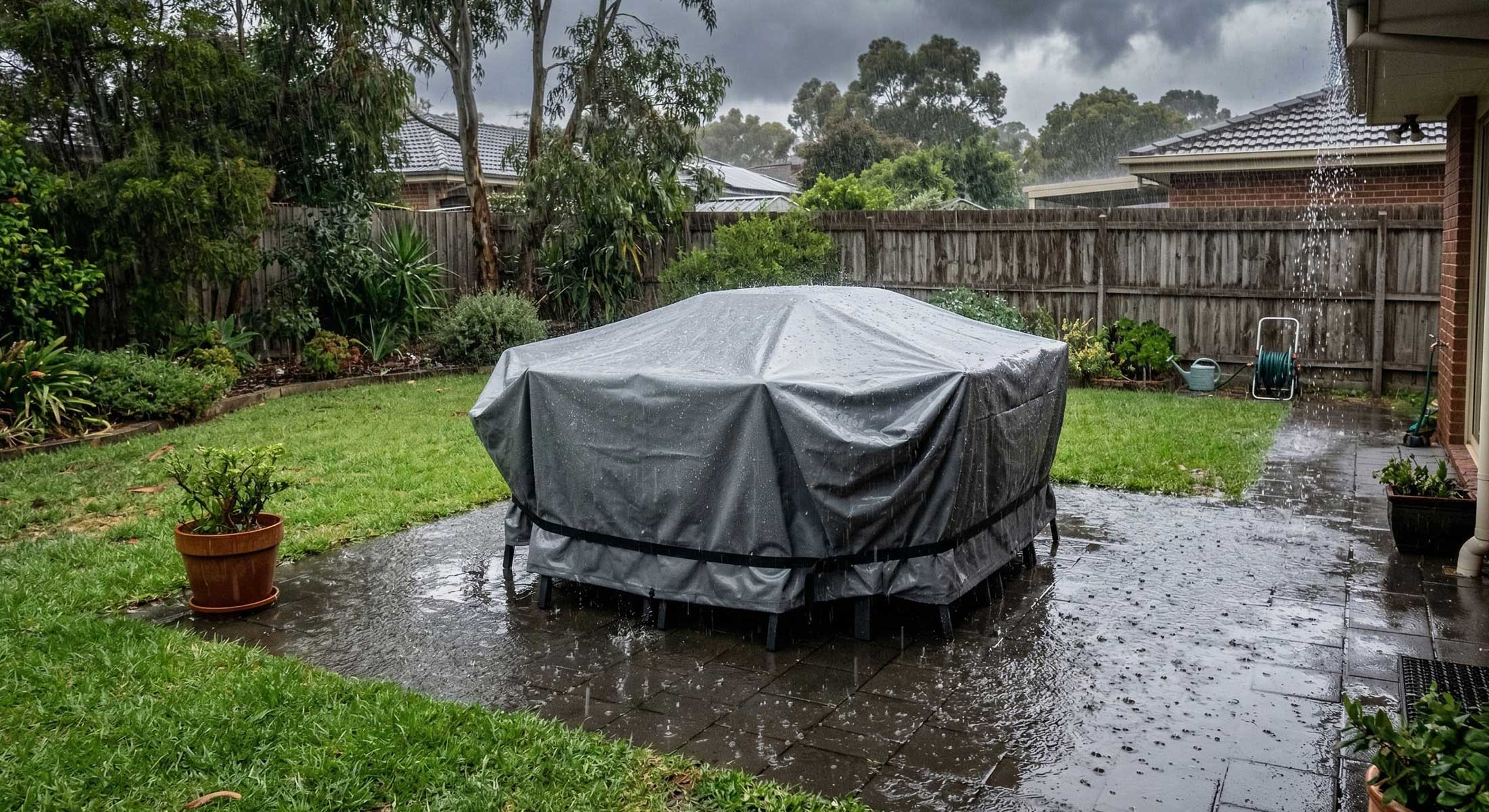
When heavy rain is on the way, a tarp can quickly become one of the most useful tools around the home. Whether you’re covering outdoor furniture, protecting firewood, shielding tools, or temporarily sealing a leaking roof, a reliable tarp can prevent a lot of water damage and frustration.
But not all tarps are built the same. Two of the most common options are PVC tarps and poly (PE) tarps, and while they might look similar at first glance, they perform quite differently when storms roll in.
Understanding the strengths of each type can help you choose the right tarp for the job before the weather turns bad.
Why Storm Protection Requires the Right Tarp
Storm conditions place a lot of stress on a tarp. Heavy rain adds weight, wind pulls and stretches the material, and constant moisture tests how well the fabric actually keeps water out.
A tarp that works well for light garden jobs might not perform the same way when exposed to strong wind, continuous rain, and outdoor conditions for days or weeks.
That’s where the differences between PVC and poly tarps become important.
Both materials are waterproof and suitable for many outdoor applications, but they serve slightly different purposes depending on the situation.
Waterproof Performance in Heavy Rain
One of the main reasons people reach for a tarp before a storm is simple: keeping water out.
Both PVC tarps and poly tarps are designed to be waterproof, but they achieve this in different ways.
Poly tarps are typically made from woven polyethylene fabric laminated with protective coatings. This construction makes them lightweight, flexible, and resistant to water penetration. For general household use, poly tarps are excellent at shedding rain and preventing water from reaching whatever is underneath.
PVC tarps, on the other hand, are made from a thicker, coated fabric that creates a heavier and more robust waterproof barrier. Because the material itself is denser and more rigid, PVC tarps are particularly effective in prolonged wet conditions where water may sit or pool on the surface.
For short-term rain protection around the home, poly tarps often do the job perfectly well. But for situations where the tarp might remain exposed to heavy rain for extended periods, PVC can provide an extra level of protection.
Strength and Performance in Wind
Wind is often the biggest challenge during storms. Even moderate gusts can create tension across a tarp surface, especially when covering large areas.
Poly tarps are lighter, which makes them easier to handle and install. This is ideal for DIY users who need to quickly cover something before a storm arrives. However, because they are lighter, they can also move more in strong wind if not secured properly.
PVC tarps are heavier and more robust. The thicker material gives them greater resistance to tearing and stretching under load. When tied down correctly, they tend to hold their shape better and flap less in windy conditions.
That added strength makes PVC tarps a good choice when covering large items such as trailers, boats, machinery, or when creating more permanent outdoor covers.
Durability for Long-Term Outdoor Exposure
Another key difference between PVC and poly tarps is how they handle long-term exposure to weather.
Poly tarps are a practical and affordable solution for many everyday uses. They are great for temporary protection, covering items during storms, and handling occasional outdoor tasks around the home. For many homeowners, a poly tarp is a reliable go-to option when quick protection is needed.
PVC tarps are designed for more demanding conditions. Their heavier construction provides improved durability when exposed to sunlight, wind and moisture over extended periods. If a tarp is likely to stay outside for weeks or months, PVC materials typically maintain their strength and shape longer.
For applications like long-term covers, workshop shelters, or protecting equipment that stays outdoors year-round, PVC tarps often deliver better longevity.
Choosing the Right Tarp for Your Storm Protection Needs
The best tarp choice usually depends on how you plan to use it.
If you’re looking for a lightweight, versatile tarp to quickly cover garden equipment, outdoor furniture, firewood or building materials during heavy rain, a poly tarp is often the perfect solution. They’re easy to store, easy to handle, and provide reliable waterproof protection for most everyday situations.
If you need something tougher for repeated use, stronger wind conditions, or longer-term outdoor exposure, a PVC tarp may be the better option. Its heavier construction provides additional strength and durability when conditions become more demanding.
For many homeowners, it’s actually useful to keep both types on hand. A poly tarp works well for quick storm preparation, while a PVC tarp can handle the more demanding jobs.
Storm Preparation Starts Before the Weather Arrives
Storm preparation is always easier before the rain begins. Having the right tarp ready means you can quickly protect vulnerable areas around your property without scrambling at the last minute.
From covering firewood and outdoor furniture to shielding equipment, materials or damaged roofing, a quality tarp can save time, money and stress when bad weather hits.
At Discount Tarpaulins, we stock a wide range of both poly tarps and PVC tarps designed for reliable outdoor protection.
If you’re preparing your home or property for the next storm, explore our range to find the tarp that best suits your needs.
