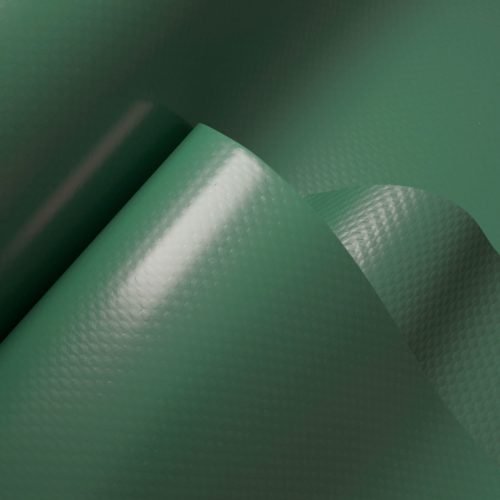
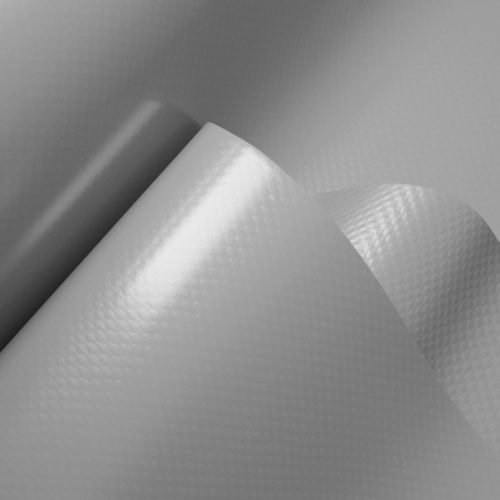
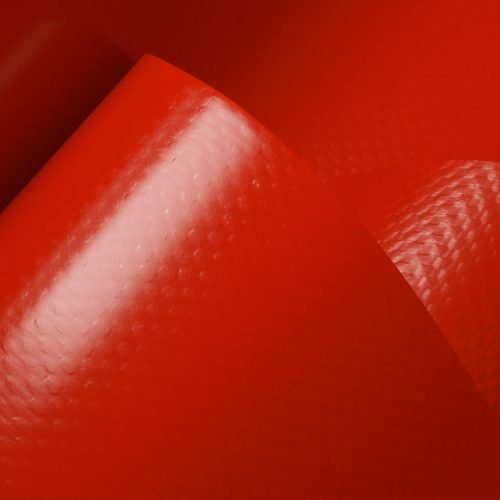
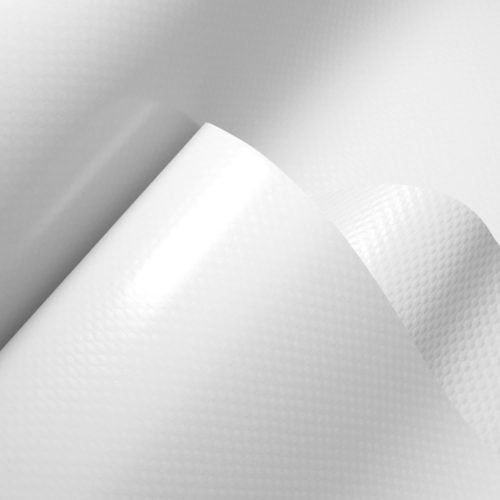
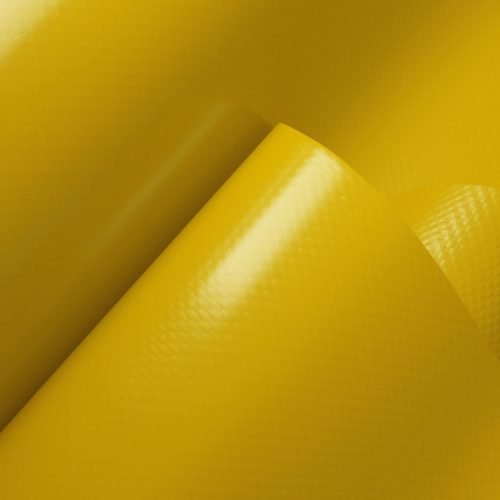
Polypropylene (PP) by the Metre
Polyethylene (PE) and polypropylene (PP) are both lightweight polyolefin plastics, but their fabrics differ: PE is softer, more flexible, and handles low temperatures well, while PP is stiffer, stronger, handles higher heat, and resists harsh chemicals better.
Key Properties
- Melting Point: PP has a higher melting point (130–171°C) than PE (85–130°C).
- Flexibility: PE fabrics are softer and more pliable; PP fabrics offer a firmer, crisper hand feel.
- Strength and Tear Resistance: PP woven fabrics resist breaking and tearing well under high mechanical stress.
- Chemical Resistance: PP resists organic solvents, acids and detergents better than PE.
Summary — PP fabrics
PP can only be joined by hot wedge or hot air welding — it does not bond with HF welding or adhesives.
It has a higher tensile and tear strength than PE and is heavier, making it a better alternative for applications such as truck tarps, roof tarps, curtains and smaller stockpile covers. It’s also more environmentally friendly to produce and fully recyclable, making it the better choice where sustainability matters.
One of its key advantages is a 3m roll width, and it sits well balanced between PE and PVC in both weight and durability.
Sold by the metre off the roll. Materials may arrive folded due to shipping purposes. Colour tint may differ slightly from product photo due to commercially acceptable dyeing variants between batches. There can be a 5%–7% colour variation between batches of material. This is commercially acceptable within the textile industries and may occur between batches/orders placed.